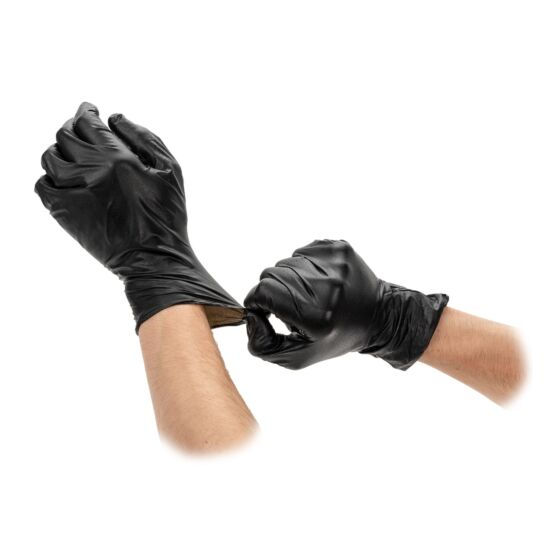
Gloves, Oil, War, and Body Piercing

I sat down to order sterile gloves for my studio the other day. For clients, gloves are often invisible. They are simply part of the routine of a safe, professional piercing- the setup, the sterile field, the surface prep. For piercers, gloves are not invisible at all. They are one of the most essential consumables in the studio, and increasingly, one of the most volatile. My usual brand and size of gloves were out of stock that day. Not a big deal, so I scrolled to another brand I like. Also out of stock. A third, out of stock. I decided to try a different vendor. Favorite brand? Out of stock. Second choice? Set to ship in a month. Third choice, limited to one box per order. A third vendor- out of stock. One box per order. I ultimately settled on paying almost 40% more for a few boxes of my preferred brand, and got a few boxes of brands I’m not as big a fan of.
Over the last several years, the piercing industry has experienced how global supply chains can dramatically effect local studios. During COVID-19, many piercers voluntarily stepped back from using sterile gloves in order to preserve supplies for hospitals and emergency medical professionals. Now, in 2026, geopolitical instability and renewed manufacturing disruptions are again pushing glove prices upward and forcing healthcare-adjacent industries to reevaluate costs, sourcing, and sustainability.
The public often sees inflation as a vague economic headline, gas prices, and dramatic social media posts (I guess this is also one of those?) In piercing, it’s showing up in our glove boxes, our shipping costs, and in order limits. Professional piercing operates in a fun little intersection between body art and healthcare. While piercing studios are not hospitals, and piercers are not doctors, many of our procedures rely on the exact same standards and supplies. Exam gloves, sterile gloves, sterilization pouches, indicator strips, disinfectants, sharps containers, needles, and gauze all exist within the same manufacturing ecosystem that serves hospitals and surgical centers, veterinarians, assisted living homes, and many more. When healthcare supply chains become strained, studios feel the impact almost immediately. We are after all, the least important of all of these places. I feel no shame in admitting that. We should be! What we are doing is not life saving.
Recent reporting from Reuters documented major increases in glove manufacturing costs tied to disruptions from the ongoing Iran conflict, with some manufacturers warning of price increases of around 40% and raw material cost increases exceeding 50%. This is because nitrile gloves are heavily dependent on petrochemical supply chains. Rising oil prices, shipping disruptions, and shortages of industrial manufacturing all ripple outward into glove supplies. Reuters reporting noted that glove manufacturers have already warned hospitals about possible shortages if disruptions continue.
Now, this doesn’t mean you’ll see a barehanded piercer (gross!). To understand the impact, we first have to look at the difference between sterile gloves and exam gloves. This distinction is important, especially for clients who may not realize there are different types of gloves used during procedures. You can read more about sterile gloves here, but in short:
Most studio tasks are performed with non-sterile nitrile examination gloves. These provide protection and are changed regularly throughout procedures, setup, and cleaning. However, many professional piercers also use sterile gloves for the actual piercing process. Sterile gloves are individually packaged and manufactured under stricter conditions intended for surgical environments. The gloves are fully sterilized, and allow us to decrease the risk of bacteria entering your piercing during the moment of piercing. Some states require sterile gloves to be worn by law.
Sterile gloves are significantly more expensive than standard exam gloves even under normal conditions. Hospitals and surgical centers are naturally prioritized during supply crises. That means industries like piercing often encounter out-of-stock notifications, are limited in supply purchasing, have order caps, our shipments can be deprioritized and delayed, we may see higher pricing, and often have to make compromises on brands and materials.
The result is that studios sometimes face difficult choices between absorbing costs, adjusting pricing, or changing operational practices.
Anyone working professionally during the pandemic remembers the early PPE shortages. Boxes of nitrile gloves that once cost reasonable wholesale prices suddenly became difficult, or impossible, to obtain. Sterile gloves became especially scarce. Many distributors redirected inventory toward hospitals and emergency care providers.
And honestly, most piercers agreed with that prioritization.
Studios across the industry adapted quickly- I recall many posts of studio driving all their stock of sterile gloves, exam gloves, drapes, etc over to local hospitals and care centers to help with supply chain issues. Many piercers pierced for months in exam gloves as opposed to sterile gloves, changing their techniques to account for the difference and allow medical professionals and healthcare workers to use the supplies.
COVID also changed supplier behavior permanently. Many healthcare systems now maintain larger stockpiles after learning how fragile “just-in-time” inventory systems really are. Reuters reporting suggests hospitals today are somewhat better prepared than in 2020 because many increased inventory reserves after the pandemic. Great for them, but it means piercers have a harder time building and maintaining a larger stock of these supplies- especially when our industry is non-essential, and we are capped on how many gloves we can order at a time through some outlets.
At first glance, a conflict thousands of miles away may seem unrelated to local studios. But modern PPE manufacturing is globalized to an extreme degree.
Malaysia remains one of the world’s largest glove manufacturing hubs. The production of nitrile and synthetic gloves depends heavily on petrochemicals, shipping routes, industrial energy prices, and international freight infrastructure. Even if a studio buys from a US-based supplier, those products often still rely on international manufacturing and transportation networks. Healthcare systems are already warning about rising costs across disposable medical supplies beyond gloves, including syringes, IV materials, plastics, and packaging. Piercing studios use many of the same categories of products.
Most professional studios work very hard to shield clients from sudden price jumps. Nobody wants clients to feel nickel-and-dimed over safety equipment. But sterile, single-use practices are not optional in doing a safe piercing.
When glove costs double or triple over a relatively short period, those increases build quickly. Some studios may need to change how they pierce or raise prices to cover the increasing cost of supplies. That does not mean studios are price-gouging. In many cases, it means piercers are trying to maintain the same safety standards without compromising quality, and the amount they raise their prices only just covers how much more expensive these things are getting.
One of the strongest signs of the modern piercing industry’s growth is how seriously many studios now approach aseptic technique and procedural safety. Two decades ago, sterile gloves were uncommon in piercing. Before that there was a time when you woul;d be pierced with someone bare handed. Today, many piercers consider sterile gloves standard practice for piercing. But it also means the piercing industry is more exposed to medical supply volatility than ever before. As studios continue adopting healthcare-level protocols, they gain healthcare-level supply chain vulnerabilities too. If anything, it reinforces why professional piercing deserves to be viewed as a serious procedural industry rather than a casual retail service.
The cost of gloves is ultimately not just about gloves. It is about how interconnected the world has become- oil markets affecting nitrile production, shipping disruptions affecting sterilization supplies, hospital demand influencing piercing studios, and global conflict shaping the cost of a piercing appointment. Piercers learned during COVID that supply chains are part of infection control now. The best studios adapted then, and they will adapt again. But clients should understand something important: when reputable studios raise prices to maintain safe PPE usage and safe procedural standards, it’s studios working within their means to keep you safe. The remainder of 2026 will likely see many changes in the costs of things….and piercings are another thing that will likely be impacted.